Treatment Helps You Change. Systems Test the Change.
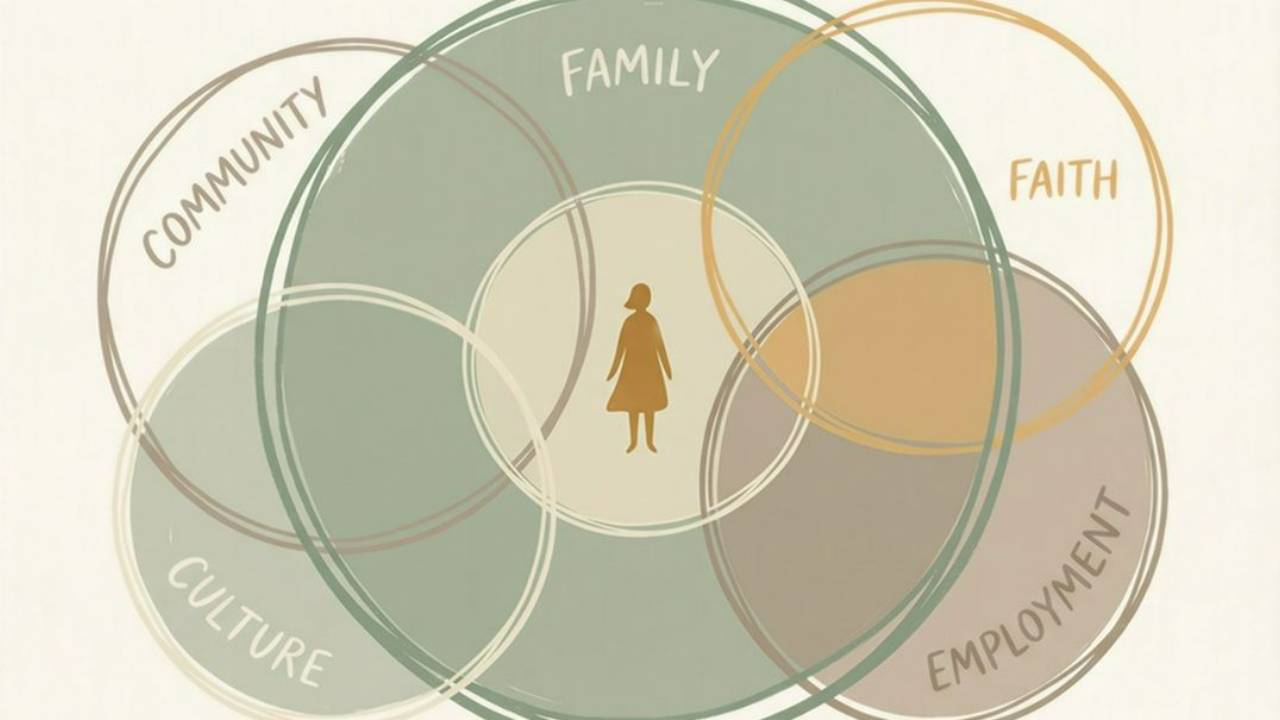
I believe in treatment. I believe in inpatient treatment, intensive outpatient, therapy, psychoeducation, group work, structure, accountability, all of it. Treatment can be life-saving. It can help people stabilize, get honest, understand trauma, recognize patterns, learn regulation, and finally exhale for the first time in a long time.
That matters.
But treatment and real life are not the same thing.
Treatment is, by design, a protected environment. It has structure. It has support. It has fewer variables. It gives people space to think, reflect, and begin again. That is part of its beauty.
It is also part of its limitation.
Because life at home is not a quiet, climate-controlled laboratory where everyone is rooting for your healing and speaking in soft therapeutic language while handing you herbal tea.
Life at home is messier than that.
You go back to your phone, your schedule, your stress, your bills, your relationships, your workplace, your family system, your church dynamics, your neighborhood, your habits, your history, your triggers, your laundry, and the same kitchen where you once made very questionable decisions after 9:30 p.m.
And all of those things are part of a system.
That is the part we often miss.
We are never just individuals making decisions in a vacuum. We live inside systems:
Family systems.
Work systems.
Social systems.
Faith systems.
Cultural systems.
Even the private little system of our own routines and assumptions.
So when someone leaves treatment, they are not simply returning home with new information. They are returning to an old system. And old systems are powerful. They are built around who you were, not who you are trying to become.
That does not mean treatment failed. It means change has now entered the chat, and the chat is not always supportive.
This is why insight alone so often falls apart in ordinary life.
If knowledge were enough, New Year’s resolutions would have a 98 percent success rate, and every January gym membership would turn into a lifelong wellness testimony. But most of us know how that goes. By February, people are standing in their kitchen eating crackers over the sink, wondering where their higher self went.
The problem is not usually a lack of information. The problem is the system.
A person can leave treatment knowing more about trauma, attachment, addiction, coping, the nervous system, boundaries, self-awareness, and emotional regulation than they have ever known in their life. And still, once they get home, they can begin to collapse under the weight of familiar patterns.
Why?
Because the system starts pulling.
The family still relates to them in the old role. The workplace still rewards over-functioning. The social group still revolves around the same habits. The stress load returns. The pace returns. The invisible expectations return. The emotional weather returns.
And suddenly this newer version of the self is trying to survive inside an environment built for the older version. And that is exhausting. It can feel like failure, but it is not failure. It's friction.
It's what happens when a human being tries to uphold a new identity inside an old system without enough support, structure, or reinforcement.
This is also why people who truly want change can still lose momentum. They are not weak, morally defective, or unserious. They are often trying to carry a fragile new way of living into a system strong enough to swallow it whole.
That is why reintegration matters. Reintegration asks a different question than treatment asks.
Treatment asks, “What needs to change?”
Reintegration asks, “How will this change survive in your real life?”
That is a very different conversation.
It isn't just about what you learned. It's about what your mornings look like. What your relationships require. What your calendar allows. What your workplace triggers. What your family expects. What your evenings feel like. What your body does under stress. What support you have when motivation leaves the building and takes your confidence with it.
Because while motivation is lovely, the surrounding systems are stronger.
Think about CrossFit.
How do you know someone joined CrossFit?
You know!
They tell you. Repeatedly. Sometimes before you even ask. Suddenly they own three water bottles, follow seven fitness accounts, know words like “WOD,” and have strong opinions about protein. Their schedule changes. Their habits change. Their friendships start changing. Their identity starts changing. Their environment begins to match the new thing.
That is not just behavior change. That is system change.
Recovery works the same way.
Healing has to become more than a private intention. It has to start shaping the environment. The schedule. The support system. The conversations. The expectations. The rhythms of daily life. Otherwise the old system keeps winning by default.
This is why I do not believe we need to replace treatment. I think treatment is essential.
What we need is something added to it. We need help translating insight into lived reality. We need space to ask practical questions like:
What will this look like when I get home?
What needs to change in my actual environment?
What relationships need new boundaries?
What structures will support the person I am becoming?
How do I return to my life without disappearing back into it?
That is the work of reintegration. And it is deeply personal.
Because no two people are returning to the same life. One person is going back to a demanding executive role. Another is going back to parenting stress. Another is going back to a marriage full of strain. Another is going back to loneliness, shame, or a faith community they are not sure how to re-enter yet.
So of course reintegration cannot be one-size-fits-all. It has to be built around real life, real systems, and real pressure.
Treatment may help you begin the change. Reintegration helps you live it.
And for many people, that is the missing piece.
Not more insight. Not more shame. Not more promises to “do better.”
A better bridge between who they were in treatment and who they need to become at home.